It’s easy to look at calligraphy and see “good handwriting.” But it really is a whole lot more than that. It’s precision, rhythm, control, and creative expression all wrapped into one activity. It’s not just writing letters; it’s creating beautiful movement and balance through letters.
What makes calligraphy different is that each letter requires a mix of skill and creativity at the same time.
What’s The Difference Between Writing and Calligraphy?
Writing is about speed and getting something down on the page. Calligraphy is about intent.
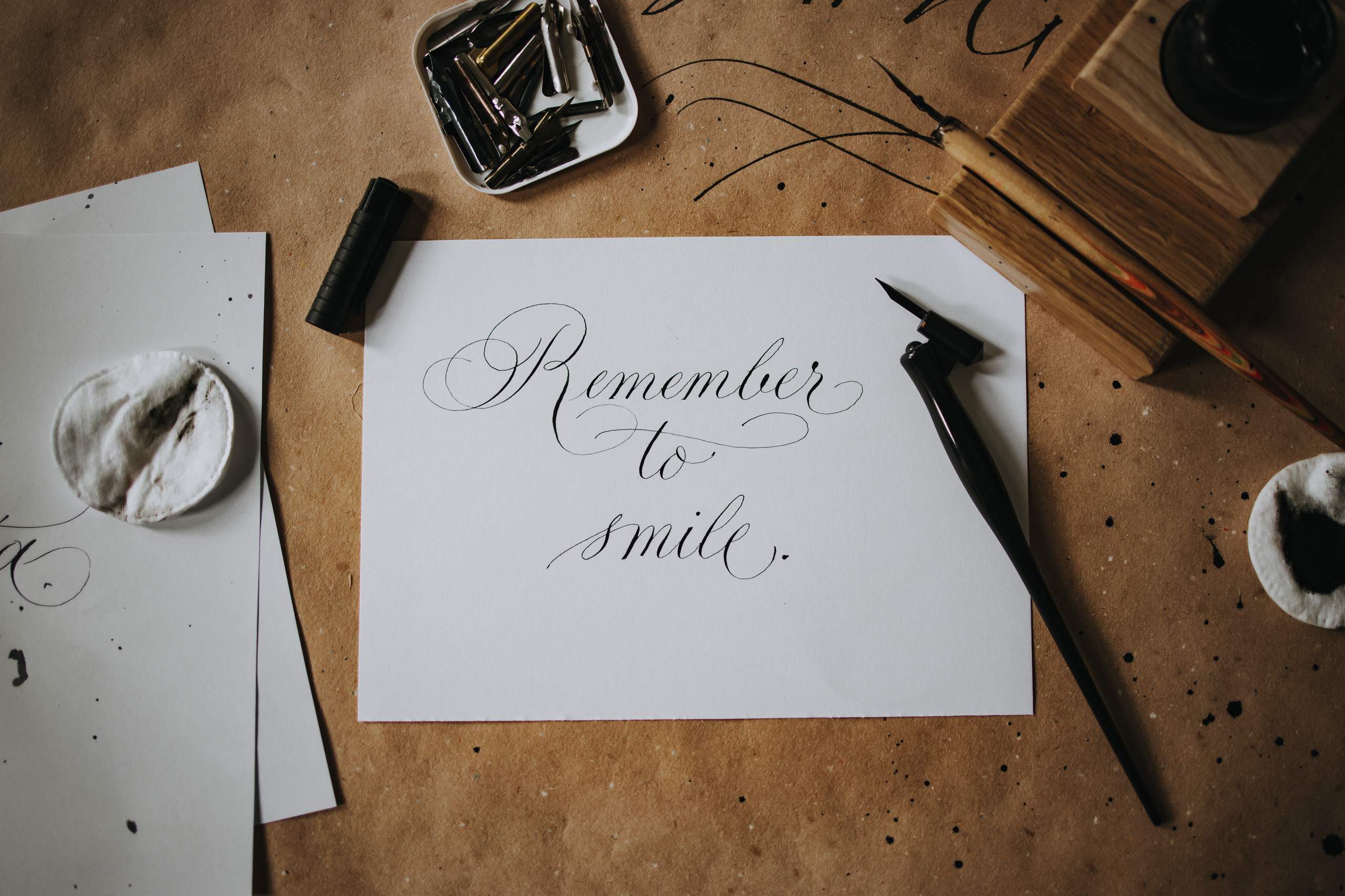
Every letter, stroke, and gap in calligraphy is placed with intention and care. It’s not just about being readable, it’s about how it looks as a whole. This creates an altogether different approach to writing. Instead of being fast and hurried, writing is slow. It involves paying attention to rhythm and spacing.
Why is Control So Important?
One of the first things you notice when you start calligraphy is how much control you need for it. If the pressure changes, the angle changes, the speed changes, or the consistency changes, the result changes.
Small details completely change what a letter looks like. That’s why calligraphy is often seen as difficult at first; it trains you in precision and patience. But as you get better, your hand will move with more control, the result will be more natural looking, and with repetition, you’ll get better and better at it.
Rhythm is a Huge Part of It
Calligraphy doesn’t work like a lot of individual letters; it works like a flow of connected movements. Professional calligraphers focus on the rhythm of their work, the way a musician focuses on rhythm. If the spacing between letters changes or the rhythm is inconsistent, the lettering looks bad; even if each letter is perfect, it’s still unappealing.
Creative Expression
Even with the rules, structure, and focus that calligraphy requires, it’s also a very creative and personal activity. Eventually, every artist develops a specific way to work through their letters, with their own spacing and letter placement habits.
This balance is a perfect opportunity for self-expression. If you take two artists and ask them to write the same word, you could end up with two totally different letters.
Patience is Key
In a world where everything is fast, calligraphy forces you to slow down. It rewards you for patience and attention to detail. That’s one of the reasons why calligraphy is so relaxing; the process can be as fun and meditative as the result.
It’s Not Just About Pretty Letters
Calligraphy is more than just a type of artistic handwriting. It’s an art form built around movement, precision, rhythm, and expression.
Once you know all these things, calligraphy stops being just words on a page and you understand what makes it such a creative and personal visual discipline.